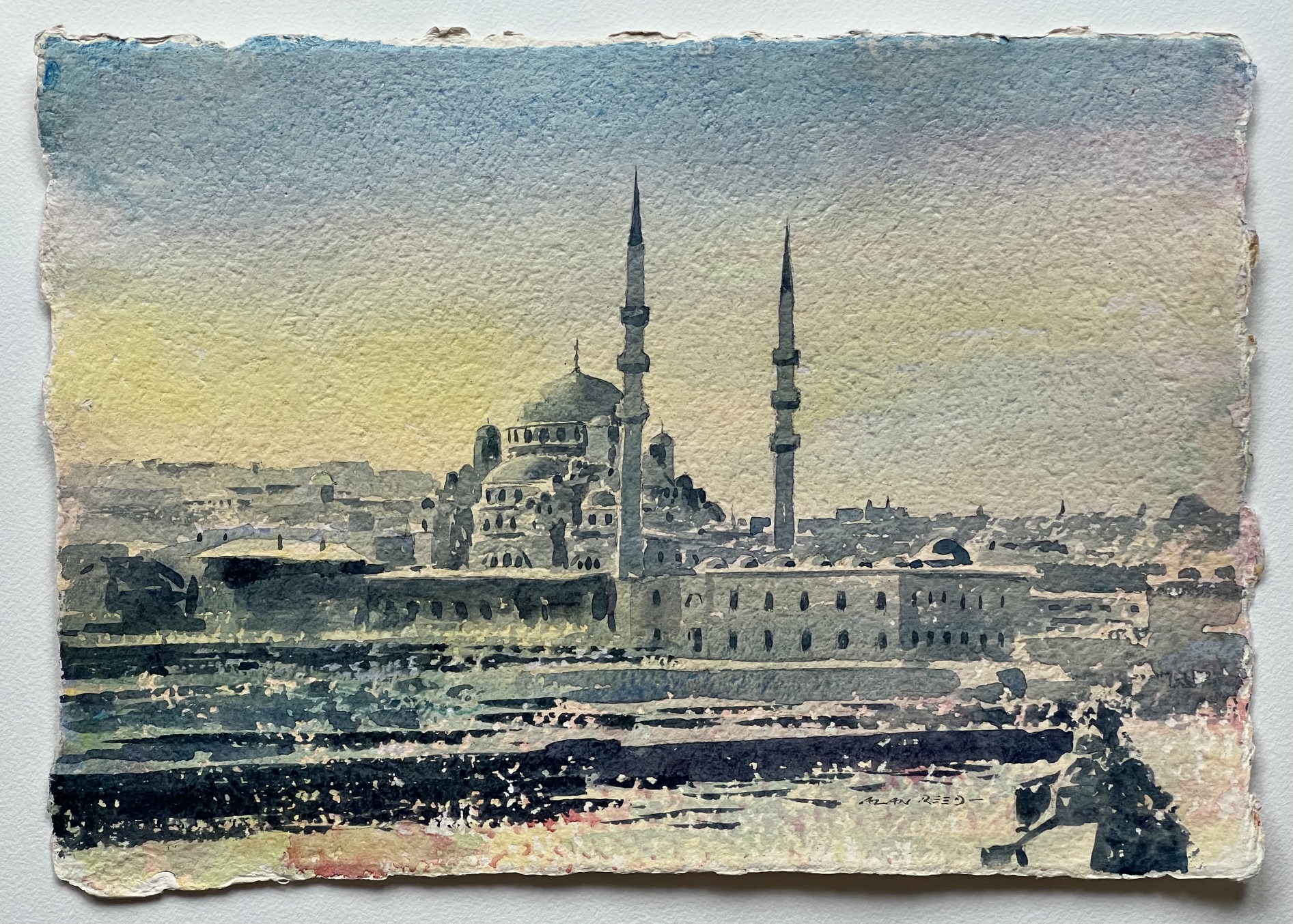
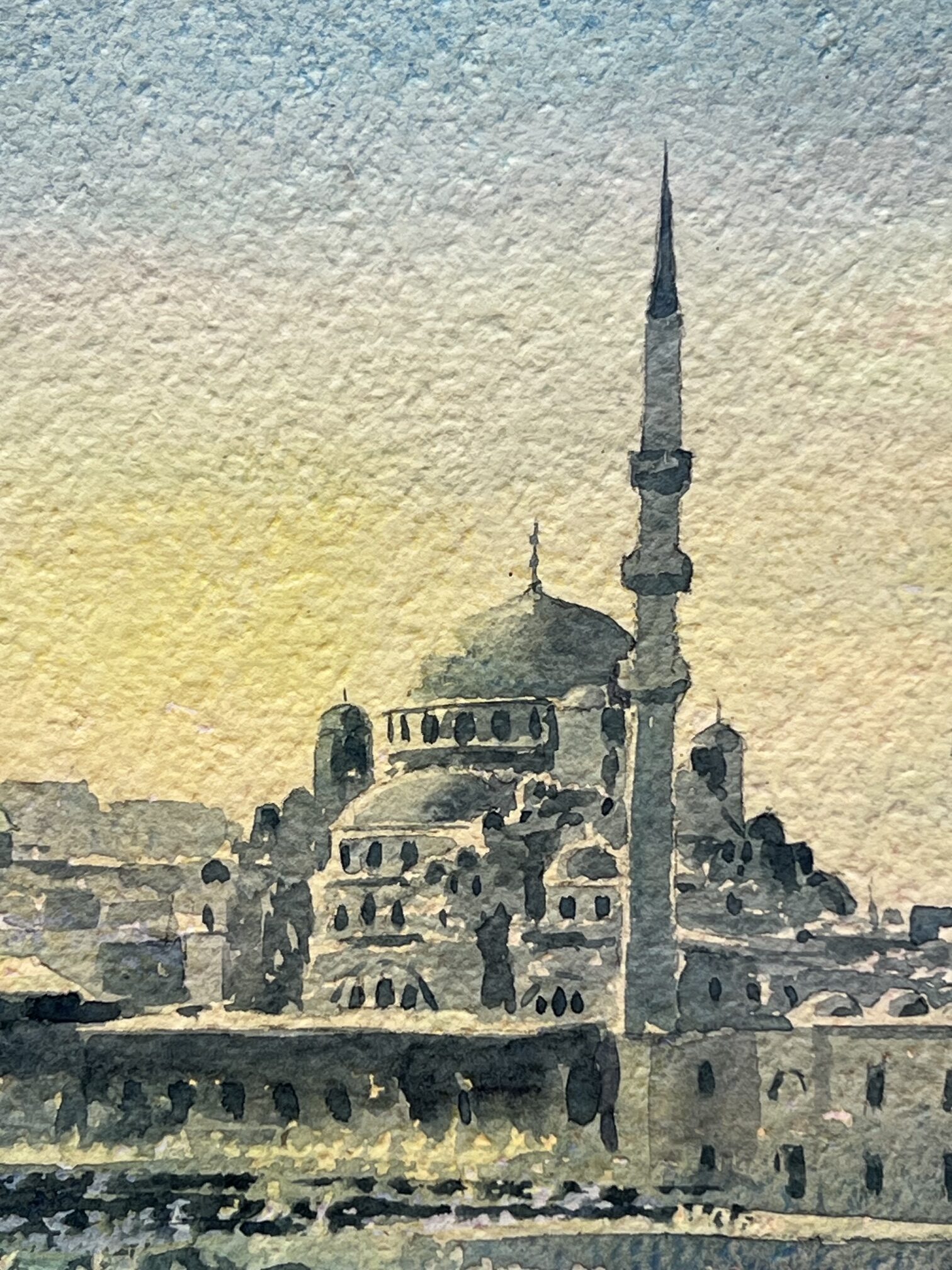
Imperial Architecture
Named after the thousands of hand-painted Iznik tiles that adorn its interior, the Blue Mosque is a masterpiece of imperial architecture.
The Sultan Ahmed Mosque, popularly known as the Blue Mosque, is an Ottoman-era historical imperial mosque located in Istanbul, Turkey. It was constructed between 1609 and 1617 during the rule of Ahmed I. It attracts a large number of tourists and is one of the most iconic and popular monuments of Ottoman architecture.
Venetian Glass
The Blue Mosque was ordered by the sultan Ahmed. It was not a gift of love, nor was it built to mark anything important. Its construction incurred costs that were disproportionate for the state’s coffers.
It’s 21,043 tiles give the interior its distinctive blue colour, and over 250 stained glass windows which were made in Venice, with inlaid precious stones, fill it with light. The final result is a turquoise and sky blue ambience with a constellation of geometric shapes and floral motifs covering the inside. This is the true reason for its fame and splendour and why it has been given its name.